Research

We develop methods to design and simulate materials that learn from stress, respond to change, and use resources intelligently.
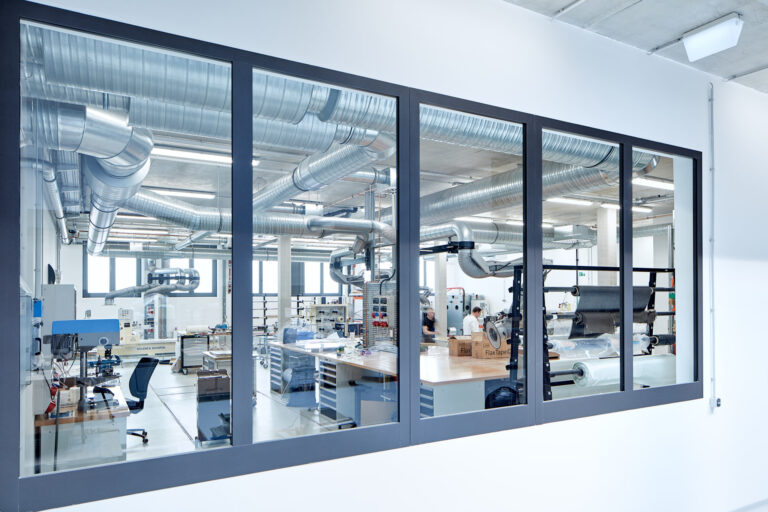
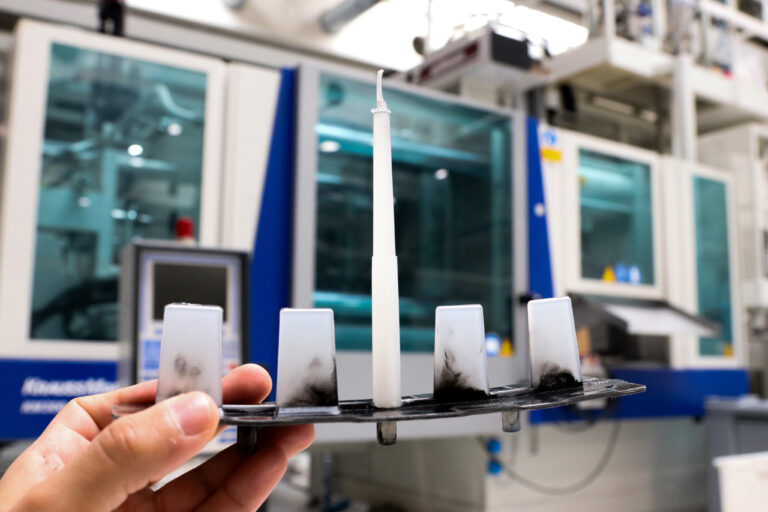
For the entire value chain, the CRC/TRR outlines exemplary approaches to developing and integrating technologies using process-appropriate models and methods, and their consolidation into an iDP system. The methodological clarification of fundamental structural phenomena in 1D and 2D grading using elementary test specimens serves as the starting point for the targeted load-dedicated 3D grading with increased complexity. From the existing problem hierarchy, the project areas (A: Combined production processes, B: Mechanisms in individual processes, C: Models, methods and iDP system) emerge by combining the location-specific core competencies.
Project Area A

Combined production processes

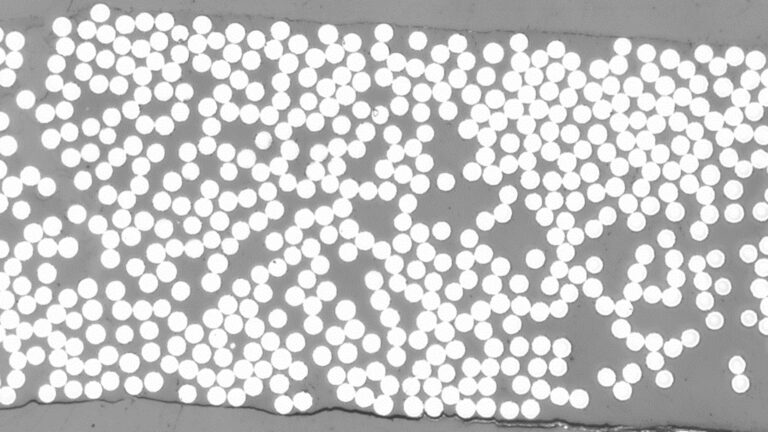
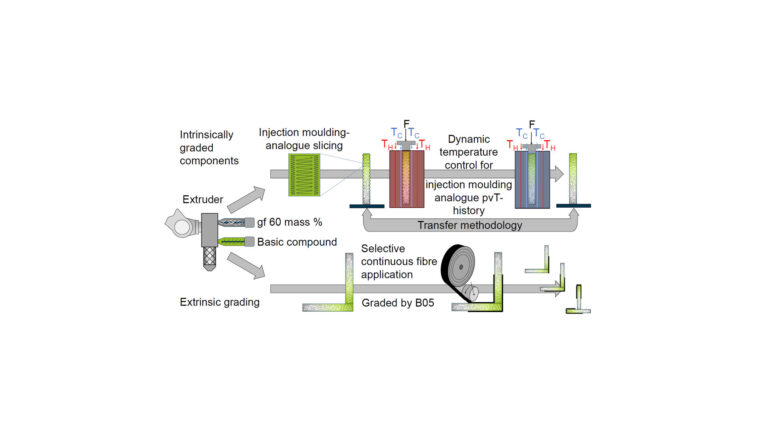
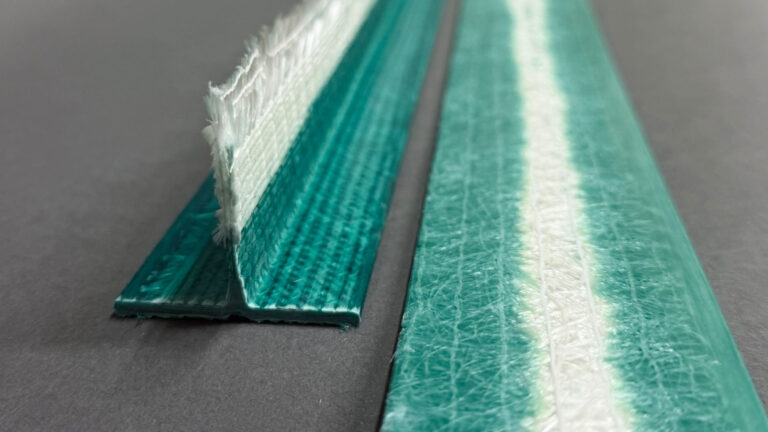
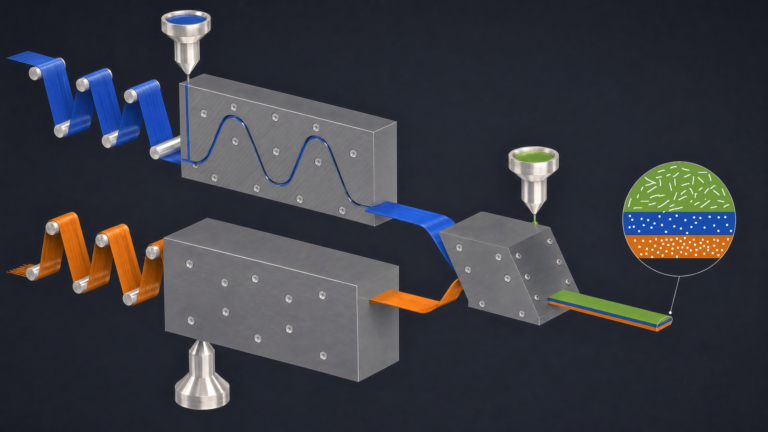
The integration of individual processes into combined production systems for load-dedicated modular flat and profile systems with graded material transitions is the focus of Project Area A. The resulting insights define key constraints for selecting process-specific models and methods and for advancing the core injection moulding and pressing processes. These processes must remain highly flexible to enable combinations with each other and with additional technologies such as pultrusion, extrusion, and tape laying. Semi-finished product processes play a key role within these technology combinations, as they create important degrees of freedom for designing modified injection moulding and pressing processes.
Overview Project Area A
Project Area B

Mechanisms in individual processes

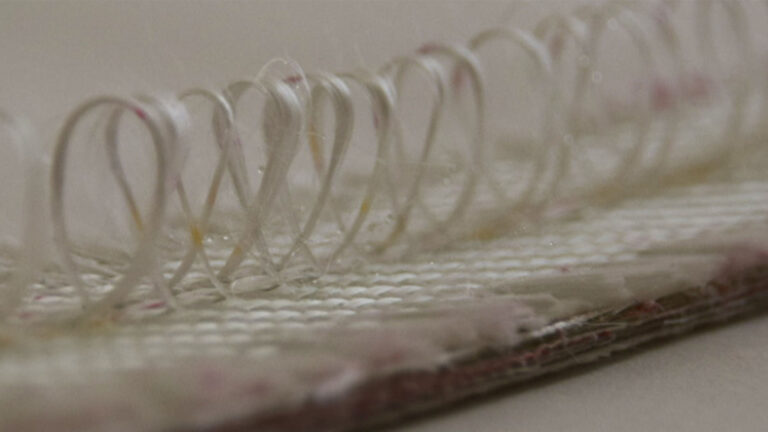
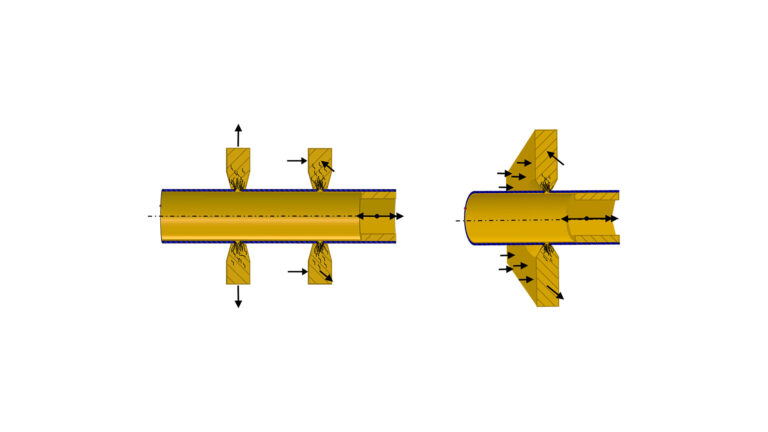
The investigation of fundamental effects governing continuous property transitions between FRP and plastic substrates is the focus of Project Area B. Emphasis is placed on physical effects enabling active and passive adjustment of direction-dependent and graded properties in injection moulding, pressing, and semifinished product processes, as well as on clarifying the resulting coupling phenomena. Process-specific manipulation of fibre arrangements is intended to “resolve” substrate interfaces. Sensor elements support production monitoring and data acquisition, enabling holistic feedback with the overarching iDP system. This creates a self-regulating system linking target and actual states within structure–process–property relationships.
Overview Project Area B
Project Area C

Models, methods and iDP system

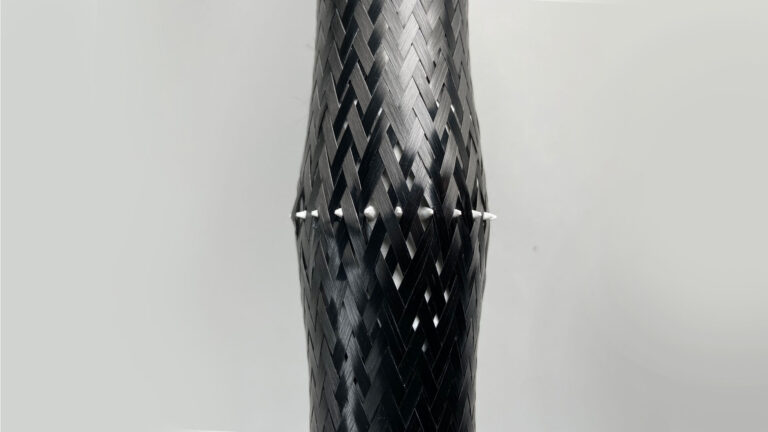
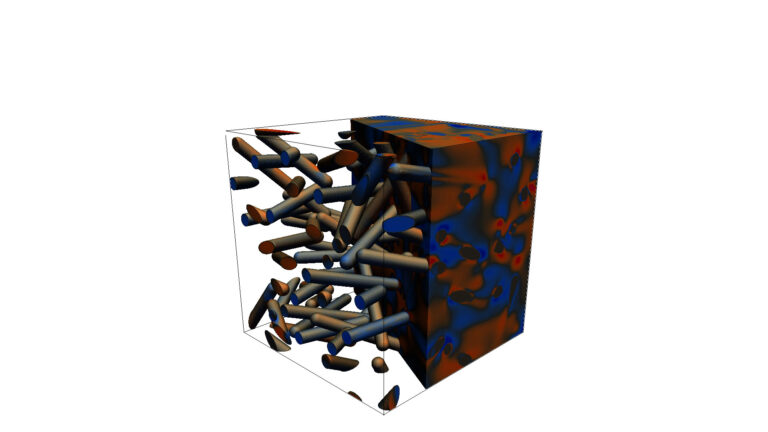
The analysis and development of a simulation system based on multi-criteria methods for designing FRP/plastic structures with graded material transitions and load-adapted anisotropic characteristics is the main goal of Project Area C. Strategies, procedures, and solutions developed in the production-oriented project areas are integrated into an overarching holistic framework. The formalisation process incorporates existing expertise and prior modelling work related to specific challenges in plastic and FRP processing from the research locations in Chemnitz, Aachen, and Dresden.
Overview Project Area C

001 Project Area

Project Area A - Combined production processes

Each DediGrad subproject focuses on a different scale — from microstructure to full component behavior. Together, they form a chain of knowledge for lighter, more resilient engineering.
002 Project Area

Project Area B - Mechanisms in individual processes

003 Project Area

Project Area C - Models, methods and iDP system

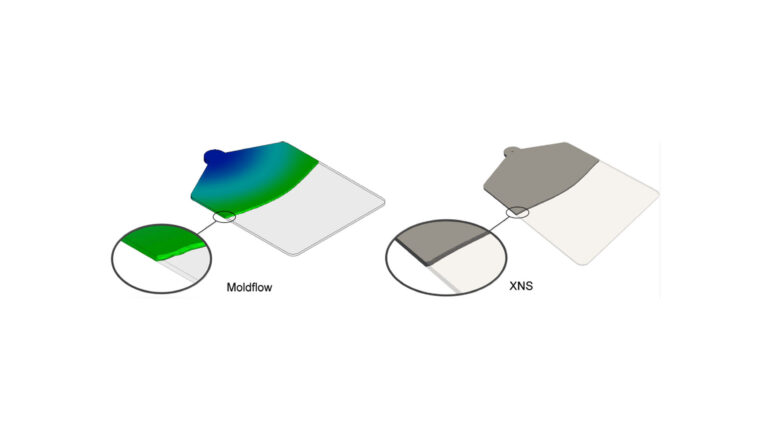
C01 Simultaneous optimisation of geometry and graded fibre orientation distributions

C01 Simultaneous optimisation of geometry and graded fibre orientation distributions

Optimisation of structural behaviour and fibre distribution in lightweight deign
Project Area
C01
Project Leaders
Jörn Ihlemann, Hans Wulf
Cooperation Projects
A01 A03 B02 B03 C02 C03 C05 Z01
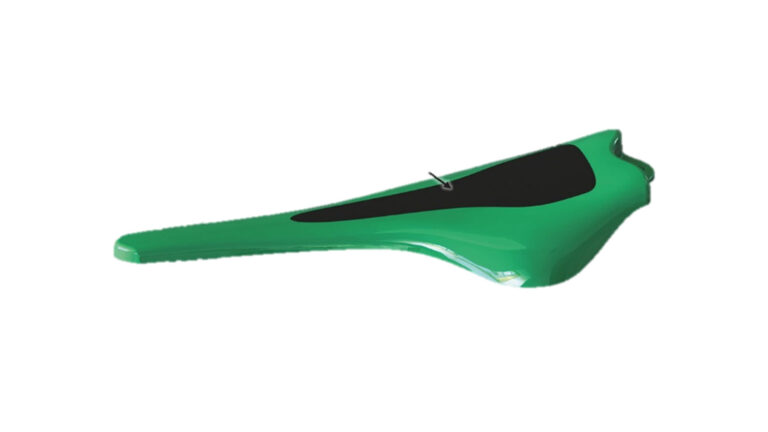
C02 Integrative numerical design methods for component and process

C02 Integrative numerical design methods for component and process

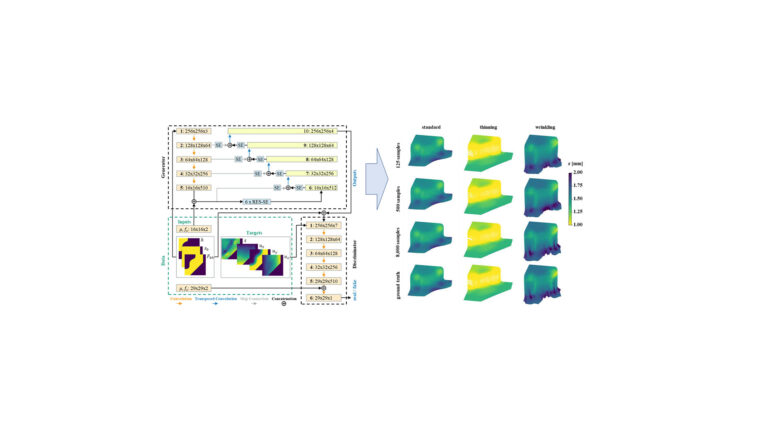
AI-based simulation and optimisation of complex manufacturing processes
Project Area
C02
Project Leaders
Stefanie Elgeti, Marek Behr
Cooperation Projects
A01 B01 B03 B04 C01 C03 C06 Z01
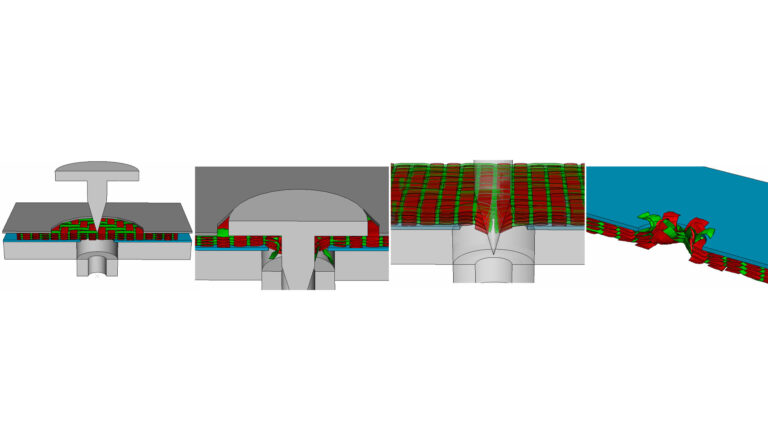
C03 Model reduction and formalisation for increased efficiency of integrative simulation chains

C03 Model reduction and formalisation for increased efficiency of integrative simulation chains

Rapid prediction of local material properties using data-driven models
Project Area
C03
Project Leader
Christian Hopmann
Cooperation Projects
A02 A03 B01 B03 B05 C01 C02 C04 C06 Z01
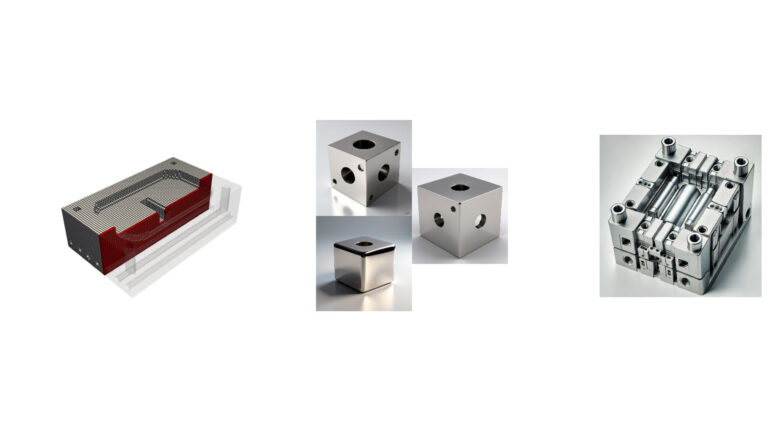
C04 Methodical derivation of process-structure-property relations based on hybrid data spaces

C04 Methodical derivation of process-structure-property relations based on hybrid data spaces

Linking experimental and simulation data spaces for hybrid process models
Project Area
C04
Project Leaders
Georgios Tzortzinis, Maik Gude
Cooperation Projects
A02 A04 A05 B02 B03 B05 C03 C05 C06 C07 Z01
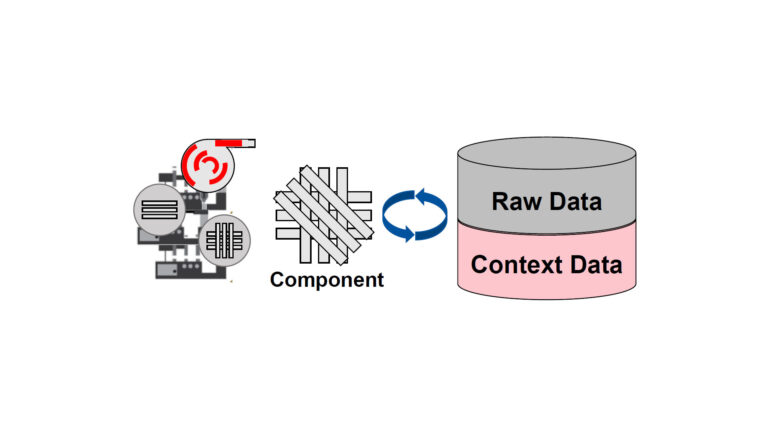
C05 Generative design for actively controlled mould systems with high system complexity and functional density

C05 Generative design for actively controlled mould systems with high system complexity and functional density

Generative AI for the development of adaptive mould systems
Project Area
C05
Project Leader
Michael Krahl
Cooperation Projects
A01 A03 A04 B02 B03 B05 C01 C04 C07 Z01
C06 Collection and context-sensitive distribution of process data

C06 Collection and context-sensitive distribution of process data

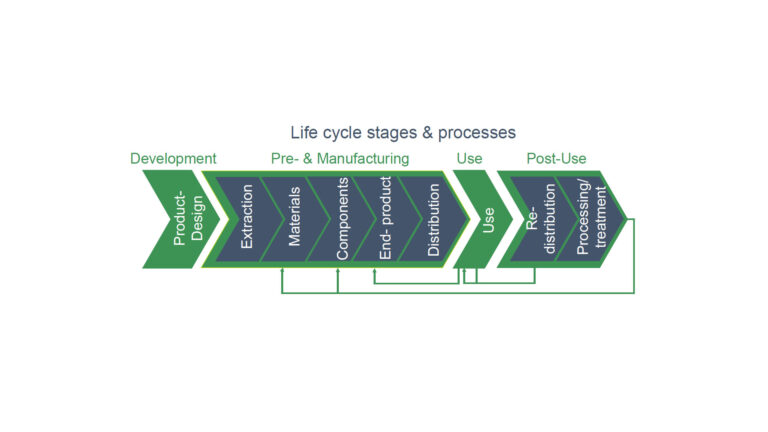
Context-based utilisation of process data across the entire production chain
Project Area
C06
Project Leader
Marcel Fey
Cooperation Projects
A01 A02 A03 A04 A05 B01 B05 C02 C03 C04 C07 Z01
C07 Product lifecycle management and life cycle assessment for eco-design

C07 Product lifecycle management and life cycle assessment for eco-design

Sustainability assessment and digital lifecycle strategies for composite structures

Project Area
C07
Project Leaders
Kathrin Greiff, Kristin Paetzold-Byhain
Cooperation Projects
A04 B03 B05 C04 C05 C06 Z01
004 Project Area

Project Area Z - Central administrative project

Resources

Explore publications and materials from the TRR 402

Learn more through scientific publications, posters, presentations, and open-access papers and gain insights into current research results and developments within the collaborative research center.

Open Resources
Contact

Get in Touch for Collaboration

Do you have questions about the TRR 402 or are you interested in collaboration? Feel free to contact us – we are happy to hear from you and will gladly respond to your inquiry.

Contact us

Shaping the Future of Adaptive Lightweight Structures.